
Building Emotional Intelligence Through Your Belbin Team Role Strengths
Updated: Jun 10

Emotional Intelligence is not about becoming someone else. It’s about becoming more aware of how your natural strengths affect others, and learning to use those strengths in ways that help both you and your team succeed.
With so many people focused on the emergence of AI and the technological changes looming from it, we can't lose our focus on the human element and our own 'human superpowers'.
Emotional Intelligence (EQ) is often described as the ability to understand and manage our own emotions and behaviours while recognising and responding effectively to the emotions and behaviours of others.
While everyone can develop their EQ, the path to doing so may look different depending on your own natural behavioural preferences and the actual behaviours others see you use every day.
Belbin Team Roles provide a useful and practical lens through which to identify both our strengths and our growth opportunities in the workplace.
Here are some practical EQ development tips for each of the nine Belbin Team Roles. Of course nobody exhibits just one of these clusters of behaviour in pure isolation, we have adaptable repertoires of natural, manageable and least preferred roles.
How do your top team role styles manifest at work?
Plant

Building EQ for those high in Plant behaviour:
Plants are often the source of creativity, innovation, and fresh thinking within teams. While they are usually comfortable challenging the status quo, they can sometimes become attached to their ideas and react emotionally to praise and criticism of them.
A key EQ skill for Plants is learning to accept criticism or rejection gracefully. Not every idea will be adopted, and developing resilience and openness to feedback helps maintain positive relationships and encourages future collaboration.
Resource Investigator

Building EQ for those high in Resource Investigator behaviour:
Resource Investigators thrive on connecting with people, exploring opportunities, and generating enthusiasm. Their energy can be infectious, but high EQ requires balancing speaking with listening, try to pause the talking to genuinely listen to others.
By slowing down, asking thoughtful questions, and genuinely hearing others' perspectives, Resource Investigators can build even stronger connections and influence.
Co-ordinator

Building EQ for those high in Co-ordinator behaviour:
Co-ordinators are often naturally skilled at understanding people and bringing teams together. To further develop EQ, focus on using this insight for the benefit of the group rather than personal advantage or manipulation.
Generosity, humility, and supporting others without expecting something in return are hallmarks of emotionally intelligent leadership.
Shaper

Building EQ for those high in Shaper behaviour:
Shapers are driven, determined, and comfortable with challenge and ‘shaking the tree’. However, their direct approach can sometimes create stated or unstated friction.
Developing the ability to repair relationships after workplace conflict, using humour, empathy, and self-awareness, helps Shapers maintain momentum while keeping colleagues engaged and supportive.
Monitor Evaluator

Building EQ for those high in Monitor Evaluator behaviour:
Monitor Evaluators are known for their objectivity and rational thinking. Their ability to remain calm and detached can be a significant EQ strength.
However, not everyone processes situations logically and may see this detachment as a little cold or cynical. Sometimes people need understanding and empathy before solutions. Recognising this distinction can greatly enhance a Monitor Evaluator's effectiveness.
Teamworker

Building EQ for those high in Teamworker behaviour:
Teamworkers are often naturally empathetic and supportive. Their EQ development challenge may be learning to better handle difficult conversations and overcoming self-doubt.
By separating assumptions from facts, de-personalising workplace conflict and addressing issues directly yet positively, Teamworkers can maintain harmony without avoiding important discussions.
Implementer

Building EQ for those high in Implementor behaviour:
Implementers excel at turning plans into action, but change can sometimes feel uncomfortable to them. Building EQ involves becoming more adaptable and open to new possibilities before overtly resisting them.
Asking for clear plans, practical details, and context can help Implementers navigate proposed changes with greater confidence and less stress.
Completer Finisher
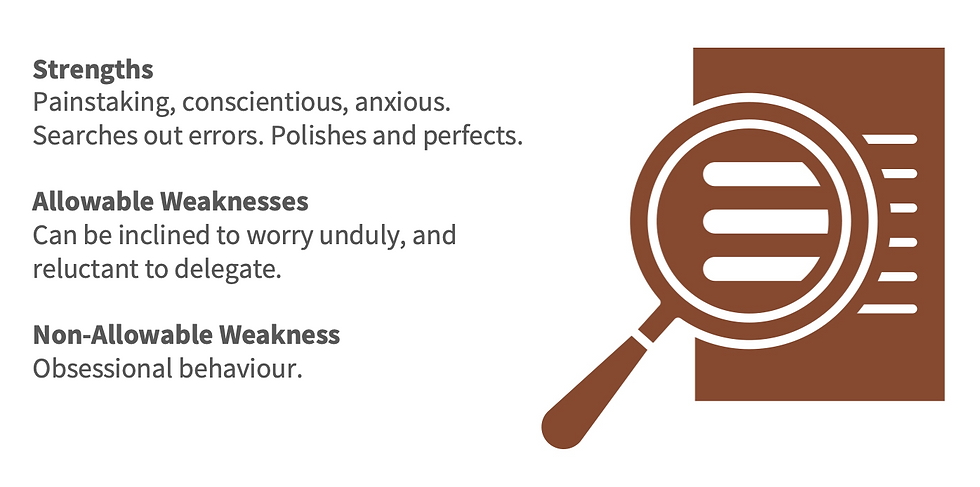
Building EQ for those high in Completer Finisher behaviour:
Completer Finishers are driven by quality and high standards. While these strengths are valuable, perfectionism can sometimes become a trap. Emotionally intelligent Completer Finishers recognise that perfection is rarely attainable.
Celebrating progress, acknowledging achievements, and avoiding burnout are important parts of maintaining both performance and wellbeing.
Specialist

Building EQ for those high in Specialist behaviour:
Specialists gain deep satisfaction from developing expertise and mastering their chosen field. Their passion is a strength, but EQ also involves maintaining meaningful connections with others. Showing curiosity about colleagues, their ideas, and their experiences helps Specialists build stronger relationships and broader influence.
The Human Side of Performance
Emotional Intelligence is not about changing who you are. It is about understanding how your natural strengths can be used more effectively and where your blind spots may lie.
Belbin Team Roles provide valuable insights into these behavioural preferences, helping individuals and teams develop greater self-awareness, stronger relationships, and ultimately, better performance.
The goal is not to become a different Team Role. The goal is to become the most emotionally intelligent version of the role you naturally play.
Other articles and Belbin content that you may like:


Comments